
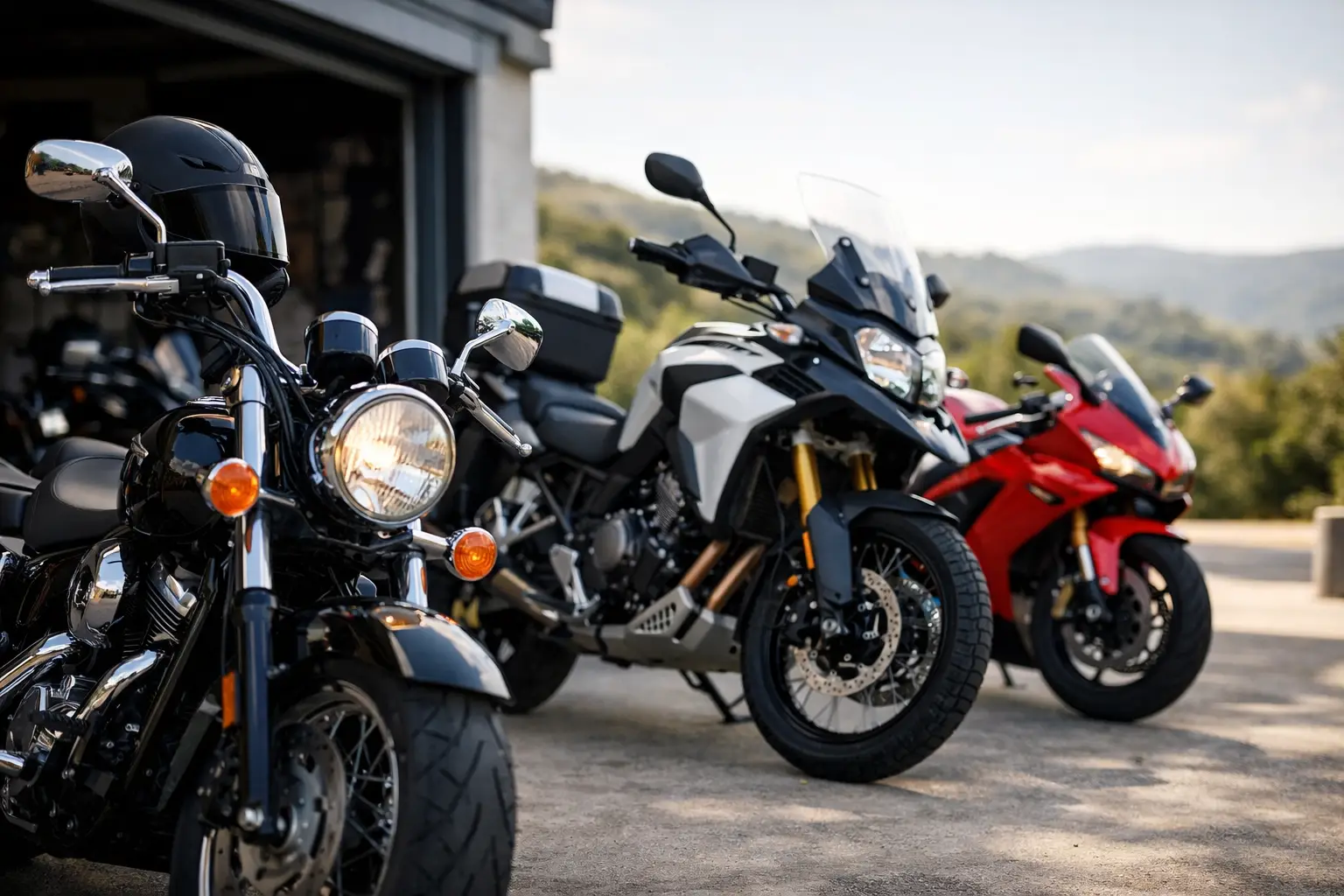
Get motorcycle rental recommendations based on your route, skill level, luggage, weather, and ride goals, so your vacation starts on the right bike today.
A rental counter can make a perfectly planned motorcycle vacation go sideways in five minutes. You arrive dreaming of coastal sweepers or mountain twisties, then find yourself choosing between a bike that is too tall, too heavy, or simply wrong for the roads ahead. Good motorcycle rental recommendations start with the ride you want to have, not the most impressive model parked outside.
For a fly-and-ride trip, the rental motorcycle is more than transportation. It sets your comfort level in traffic, your energy at the end of a long day, how much gear you can carry, and whether that scenic route feels like a reward or a workout. The right choice is rarely universal. It depends on your experience, passenger plans, road surface, weather, and the miles you realistically want to cover.
Start With the Road, Not the Motorcycle
Riders often pick a motorcycle by category first: cruiser, sport bike, adventure bike, touring bagger. That is understandable, especially if you have always wanted to try a particular machine. But rental trips work better when the route leads the decision.
A San Francisco to Big Sur day ride, for example, can include city traffic, cool fog near the coast, exposed highway stretches, and plenty of relaxed curves. A mid-size standard, light touring bike, or comfortable cruiser can be a better match than a massive fully dressed tourer. You will still have wind protection and luggage space without wrestling extra weight through parking lots and low-speed pullouts.
The same logic changes in the mountains. If your plan includes Sierra passes, tight switchbacks, changing elevation, and a full day in the saddle, look for manageable weight, predictable brakes, and a seat height you can confidently handle at uneven overlooks. On desert routes around Las Vegas, Palm Springs, or Joshua Tree, fuel range, heat management, and wind protection become more valuable than outright horsepower.
Before browsing inventory, answer a few route questions: How many miles per day will you ride? Will you spend time in dense city traffic? Are the roads mostly pavement, or does your itinerary include graded dirt? Will you carry a passenger or enough luggage for several nights? Those answers narrow the field quickly.
Motorcycle Rental Recommendations by Riding Style
The best category is the one that supports your actual trip without asking you to adapt your whole ride around it.
For newer riders and relaxed day trips
A middleweight standard, small cruiser, or low-displacement touring model is usually the low-stress choice. These bikes are easier to paddle around a hotel lot, less intimidating in stop-and-go traffic, and often more forgiving when a route turns tighter than expected. A bike in the 400cc to 900cc range can be plenty for a solo day ride through coastal California, the Blue Ridge foothills, or Arizona scenic byways.
Do not confuse a smaller engine with a lesser experience. On a road full of corners, a motorcycle you can place accurately and stop confidently is more fun than a big machine you are managing all day.
For two-up touring and multi-day miles
If you are riding with a passenger, prioritize seat comfort, suspension, luggage capacity, and a backrest over style points. A touring cruiser, sport-tourer, or larger adventure-tourer makes sense when the trip includes 250-mile days, interstate connectors, and overnight gear.
Ask about the included luggage rather than assuming saddlebags will hold everything. Hard cases are weather-resistant and convenient, but their shape can be limiting. Soft luggage may hold more odd-sized gear, though it is less secure when you leave the bike parked. If two people are sharing the bike, pack lighter than you think you need to.
For twisties and spirited pavement
A naked bike, sport-tourer, or lighter sport bike can bring a technical route to life. The trade-off is comfort. Aggressive ergonomics that feel great for two hours may become punishing after a full day of sweeping mountain roads, especially for a rider who is not used to wrist pressure or a high seat.
For weekend routes like Angeles Crest, the Santa Monica Mountains, or the North Georgia hills, a middleweight machine often hits the sweet spot. It has enough power for passing and elevation changes while remaining approachable at lower speeds.
For adventure routes and mixed surfaces
Choose an adventure bike only when the itinerary truly calls for it. Many adventure motorcycles are excellent on pavement, with upright ergonomics, long-travel suspension, and useful luggage options. But tall seat heights and top-heavy fuel loads can surprise a rider who has only used lower street bikes.
If your route includes forest roads or maintained gravel, confirm what the rental company permits and whether roadside assistance applies off pavement. “Adventure-ready” does not automatically mean you are covered for every unpaved road on the map.
Fit Matters More Than the Spec Sheet
A rental motorcycle should feel familiar enough that you can focus on the road by the end of the first mile. That starts with physical fit.
Sit on the bike with both feet where you naturally place them. You do not need to flat-foot every motorcycle, but you should be able to stabilize it with confidence at a stop. Check the reach to the handlebars, the angle of your knees, and whether you can operate the front brake and clutch without stretching. If you wear riding boots, wear them for the fitting instead of judging the bike in casual shoes.
Weight matters most when the motorcycle is barely moving. A 900-pound tourer may feel planted on the highway, then become tiring when you are backing out of a sloped scenic turnout. Conversely, a smaller bike can be pushed around easily but may feel busy in high winds with a passenger and loaded luggage. There is no perfect answer, only the right compromise for your trip.
If you have a choice, take the rental for a short familiarization ride before loading luggage and committing to a long route. Test the turn signals, cruise control, windshield adjustment, fuel cap, side stand, and luggage latches. A few quiet minutes in the parking area can prevent a lot of roadside fumbling later.
Inspect the Rental Before You Roll Out
Most rental operators maintain their fleet carefully, but a quick walk-around protects both you and the bike. Take time-stamped photos or video before departure, especially of the fairing, bags, exhaust, wheels, and any existing scuffs.
Check these five areas before leaving:
-
Tire condition and visible tread, plus the tire pressure warning if the bike has one
-
Brake lever and pedal feel, along with the operation of lights and turn signals
-
Existing damage noted on the rental agreement
-
Fuel level and the required return fuel policy
-
Emergency contact details, roadside coverage, and the process for a flat tire or mechanical issue
Also ask what happens if live weather forces a route change. In mountain regions, a sunny morning can turn into cold rain at elevation, while coastal fog can make a warm inland forecast irrelevant. A flexible reservation and a realistic cancellation policy are worth reading before you book, not after a storm moves in.
Match the Rental to the Weather and Your Gear
Weather changes what “comfortable” means. A motorcycle that is ideal for dry desert pavement may be a poor choice for a wet, 45-degree coastal morning if it has limited wind protection and no luggage for extra layers.
For variable conditions, prioritize a windscreen, heated grips if available, and secure storage for a rain layer. Bring your own helmet if possible because fit, ventilation, and visor condition matter. If you use a rental helmet, inspect the visor for scratches and confirm it fits snugly without painful pressure points.
Plan luggage around what you need while riding, not just at the hotel. Water, a warm layer, rain gear, sunscreen, phone power, and a basic first-aid kit should be accessible without unpacking everything. A top case is especially useful for day rides because it gives you a place to stow a jacket or helmet when you stop for lunch.
Build the Route Around Your Confidence Level
A rental motorcycle is not the place to prove you can handle the most technical road in the region. Leave a margin for unfamiliar traffic patterns, jet lag, changing weather, and the learning curve of a new machine.
That does not mean settling for boring roads. It means choosing a route with a smart rhythm: an easy first hour, a scenic highlight, time for fuel and food, and an optional shortcut back if conditions change. CharterNow.ai can help shape that kind of motorcycle-specific plan using your dates, skill level, preferred bike style, available hours, and live weather, then surface rental options that make sense for the route.
For a first day, keep the mileage conservative. A 150-mile loop with great pavement, overlooks, and unhurried stops can be far more memorable than a rushed 300-mile itinerary. Once you know the bike, the roads, and the forecast, you can stretch the next day.
Book Early, Then Confirm the Details
Popular riding destinations can run short on desirable models during holiday weekends, major rallies, and peak fall color season. Booking early gives you more than a better selection. It gives you time to compare insurance terms, luggage options, mileage limits, pickup hours, and any restrictions on out-of-state travel.
A day or two before arrival, confirm the pickup location, required license and endorsement, deposit amount, and whether your reservation guarantees a specific model or only a category. If the exact bike changes, ask for the closest practical alternative based on seat height, luggage, passenger comfort, and intended route.
The road is waiting, but there is no prize for choosing a rental that looks right in a photo and feels wrong at the first stoplight. Pick the bike that lets you relax into the curves, adapt to the forecast, and spend your attention where it belongs: on the ride ahead.