
Learn how motorcycle rental deposits work, what affects the hold, how to protect your card, and what to check before you ride away in the US confidently.
You have the bike picked out, the weather looks clean, and that Pacific Coast Highway loop is calling. Then the rental counter asks for a $1,000 hold on your card. Motorcycle rental deposits can catch riders off guard because they are rarely as simple as the daily rate shown when you book. Know how they work before you land, and you can spend your trip chasing curves instead of calling your bank.
What Motorcycle Rental Deposits Actually Cover
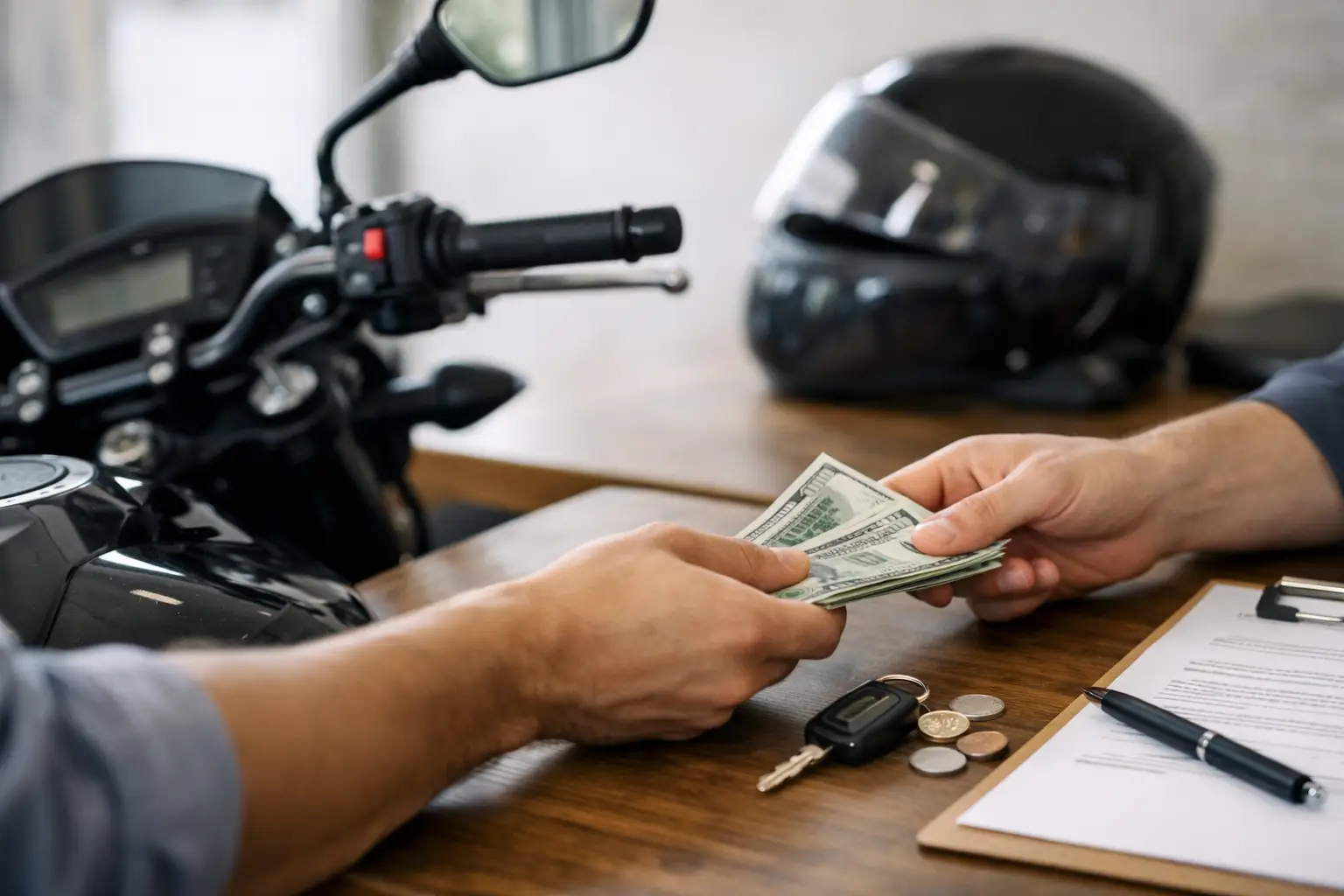
At most US rental shops, the deposit is a security hold or pre-authorization placed on your credit card when you collect the motorcycle. The company is reserving funds in case the bike comes back damaged, late, excessively dirty, missing equipment, or with a fuel issue. It may also cover traffic tickets, tolls, or administrative fees that arrive after your ride.
That distinction matters. A pre-authorization does not always mean the rental company has taken the money from your account. Your available credit is reduced by the hold amount, but the charge may not post unless there is a valid reason to collect it. A true cash deposit or debit-card charge, by contrast, can leave your account immediately and take longer to return.
The number varies widely. A smaller standard motorcycle rented for a local day ride may require a few hundred dollars. A late-model touring bike, premium Harley-Davidson, BMW adventure bike, or sport bike can require $1,000 or more. Some peer-to-peer rentals set the security deposit based on the motorcycle's value, the protection plan selected, and the rider's history on the platform.
The rental price and deposit are separate numbers. A bike advertised at $150 per day can still require a substantial card hold. Always budget for both.
Why Your Deposit Amount May Be Higher
Rental companies are taking on more risk than a car-rental desk. A dropped motorcycle can damage fairings, engine cases, luggage, crash bars, levers, and exhaust components in one low-speed moment. A simple tip-over in a gravel turnout can create a repair bill that is far beyond a scratched bumper.
Your deposit can rise based on the bike category, your age, riding experience, trip length, and the insurance or protection option you choose. Some companies also use a higher hold for one-way rentals, cross-state travel, international visitors, or rentals during major events and peak holiday weekends.
For fly-and-ride travelers, the credit-card requirement is often the bigger issue. A shop may accept a debit card for the rental balance but require a major credit card in the rider's own name for the security hold. Do not assume the card used to book online will meet the requirements at pickup. If your spouse, travel partner, or employer booked the bike with their card, confirm whether their presence is required.
Credit limits matter, too. If the rental charge, hotel incidentals, and deposit holds all hit the same card, you can run out of available credit before the trip starts. Give yourself room beyond the quoted deposit, especially if you are renting for several days.
Read the Damage Rules Before You Choose Coverage
The deposit is closely tied to the rental agreement's damage responsibility, often called an excess, deductible, or liability limit. These are not interchangeable terms at every company, so read the actual language instead of relying on a quick conversation at the counter.
A basic protection package may leave you responsible for a large amount if the motorcycle is damaged or stolen. A higher-tier option may reduce that amount and sometimes lower the deposit hold. It can be worth paying more for coverage on a vacation bike, particularly when you are unfamiliar with local roads, riding in a new climate, or carrying a passenger and luggage.
But protection plans have exclusions. Many do not cover damage caused by riding off approved roads, using the wrong fuel, losing the key, allowing an unauthorized rider to operate the bike, or violating the rental agreement. Adventure-bike renters should pay special attention here. A route that looks like a scenic forest shortcut on a map may be considered unpaved, unmaintained, or off-limits under the contract.
Personal motorcycle insurance may offer rental coverage, but do not assume it transfers automatically. Coverage can depend on the policy, state, motorcycle type, and whether the rental is domestic or international. Credit-card rental benefits are even less predictable for motorcycles than for cars. Get confirmation from your insurer or card issuer before you count on it.
The Pickup Walkaround Protects Your Deposit
The fastest way to avoid a deposit dispute is to document the motorcycle before the key is in the ignition. Do this with the staff member present, in good light, and without feeling rushed by other riders waiting behind you.
Take timestamped photos and short video of both sides of the bike, the wheels, tires, windshield, mirrors, controls, tank, saddlebags, panniers, top case, and underbody where practical. Capture existing scratches, chipped paint, torn seat material, bent levers, and scuffs on crash bars. Photograph the odometer and fuel level as well.
Then test the basics. Check that turn signals, brake lights, horn, clutch, brakes, and luggage latches work. Ask how the fuel gauge behaves if it is known to be inaccurate, and make sure every existing issue is written on the inspection form. A verbal "we know about that" is not as useful as a marked condition report.
For a multi-day ride, take one more photo at the end of each day if you park in a busy hotel lot or public garage. It is a small habit that can make a disagreement much easier to resolve.
Avoid the Small Charges That Add Up
Not every deduction comes from a crash. Rental agreements commonly charge for returning the bike late, below the agreed fuel level, excessively dirty, or with lost accessories. Helmets, phone mounts, GPS units, luggage liners, locks, and key fobs can all carry replacement costs.
Plan the final hour of your ride. If the shop closes at 5:00 p.m., do not schedule a remote mountain pass or ferry crossing that puts you back at 4:55. Build a buffer for traffic, a fuel stop, and one wrong turn. In places such as the Bay Area, Los Angeles, and Las Vegas, returning through city traffic can take much longer than the map estimate suggests.
If the route includes gravel, sand, or construction zones, clean the bike before return if the agreement requires it. Normal road grime is one thing. Packed mud around the wheels, caked chain lube, or dust filling rental luggage is another. Ask the shop what it considers acceptable rather than guessing.
When Will the Hold Be Released?
The rental company may release the pre-authorization as soon as it completes the return inspection. That does not mean the funds instantly reappear on your card. Your bank or card issuer controls the processing timeline, which can range from a few business days to more than a week. Debit-card holds often create more friction because they can reduce cash available for the rest of your trip.
Before pickup, ask one direct question: "After the motorcycle is returned with no issues, how long does your company take to release the authorization?" Also ask whether tolls, tickets, or final mileage charges can trigger a later card charge. Get the answer in writing if the amount is significant.
If a charge appears after your trip, request an itemized explanation and compare it with your signed agreement, inspection report, and photos. Stay calm, specific, and prompt. Most legitimate disputes are easier to settle while the bike's return records and staff notes are still fresh.
Plan the Rental Around the Ride You Want
A low deposit is not automatically the best deal. A cheaper rental with a huge deductible, restrictive road rules, or limited support can cost more if your plan changes. The right choice depends on the bike, the roads, your comfort level, and how much financial exposure you are willing to carry.
When building a trip, match the rental to the route. A newer rider on a coastal day loop may value a manageable standard bike and broad roadside support. An experienced rider heading for mountain twisties might accept a larger hold for better tires, luggage, and a machine that fits the road. CharterNow.ai can help put those decisions in context by building a route around your skill level, timing, live weather, and preferred motorcycle style before you commit to a rental.
Bring the right card, inspect the bike like it is your own, and leave enough time for a proper return. Then the deposit becomes what it should be: a temporary line item, not the story of your motorcycle vacation. The road is waiting. Are you ready?