
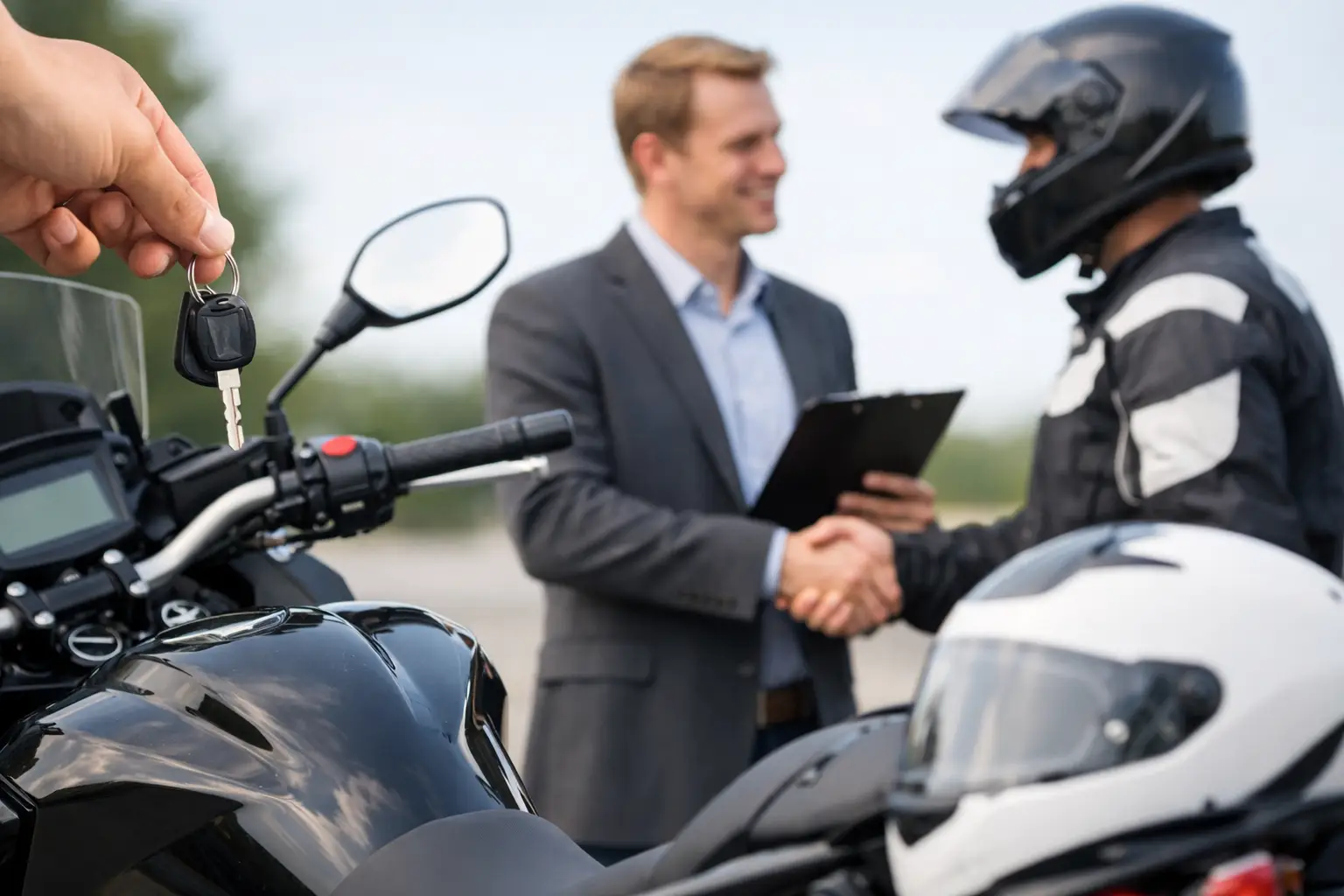
Rental motorcycle insurance can protect your trip, but coverage varies. Learn what to check before you sign, ride, and chase the next set of curves ahead.
A rental counter is a bad place to discover that your insurance has a $2,500 deductible. Rental motorcycle insurance is one of those trip details that feels secondary until a slow-speed tip-over in a gravel turnout, a cracked saddlebag, or another driver's mistake turns a great ride into a stressful call home.
The right choice is not always the most expensive protection package. It is the coverage that matches your bike, route, riding experience, and tolerance for financial risk. A one-day cruiser rental around San Diego calls for a different decision than a week on a loaded touring bike through the Rockies.
What rental motorcycle insurance usually includes
Rental companies use different names, but their protection options generally fall into a few familiar categories. Read the actual rental agreement rather than relying on a label such as "full coverage." That phrase can sound reassuring while leaving major exclusions, deductibles, and rider responsibilities buried in the details.
Liability coverage pays for injuries or property damage you cause to other people. Most rental motorcycles include at least the state-required minimum liability coverage, but minimum limits may not go far after a serious crash. Supplemental liability can raise those limits. This matters most in busy metro areas, on popular coastal roads, and anywhere a bad moment could involve an expensive vehicle, multiple people, or significant medical bills.
Collision damage waiver or loss damage waiver generally reduces what you owe if the rental motorcycle is damaged, stolen, or sometimes both. It is not always insurance in the traditional sense. It is often a contractual waiver from the rental company, and it usually comes with a deductible. A $20-per-day waiver may be worthwhile if it changes your maximum exposure from the full value of a $25,000 bagger to a manageable amount.
Personal accident coverage may help with medical expenses for you and a passenger after an accident. Whether it is useful depends on your health insurance, MedPay, personal injury protection, and travel coverage. For visitors to the United States, this is worth especially close attention. Medical bills can rise fast, and overseas policies may have limited coverage or reimbursement rules.
Personal effects coverage can cover damaged or stolen belongings, although limits are often low and exclusions are common. Think of it as backup, not a reason to leave a camera, laptop, or passport unsecured in a soft bag.
The coverage question most riders get wrong
Many riders assume their auto or motorcycle policy automatically covers a rental bike. Sometimes it does. Sometimes it covers liability but not physical damage. Sometimes it covers a rental only in the United States, excludes certain engine sizes, or requires that the motorcycle be rented in your own name.
Do not guess. Call your insurer before the trip and ask directly: “Does my policy cover a rented motorcycle for liability, collision, theft, uninsured motorist, medical payments, and roadside assistance?” Ask for the deductible and whether coverage applies to the type of bike you plan to rent.
Credit card rental coverage is another common trap. Many cards that cover rental cars do not cover motorcycles at all. Others have strict rules about declining the rental company's damage waiver, paying with the card, and using the rental for an eligible purpose. Confirm the benefit in writing or through the card issuer before you build your budget around it.
For international visitors, a policy purchased at home may not satisfy a U.S. rental company's requirements. Travel insurance can help with medical issues and trip interruption, but it may not handle motorcycle damage or third-party liability. Treat each policy as a separate layer, not as a complete solution until the terms say so.
Match rental motorcycle insurance to the ride
The route changes the risk. That does not mean a scenic ride is inherently unsafe, but it does mean the protection decision should reflect how and where you will ride.
A newer rider on a first rental may be best served by a lower deductible, even for a short loop. Parking-lot drops, awkward fuel-station slopes, and tight hotel driveways cause plenty of damage before the twisties even begin. On a vacation, the peace of mind can be worth the daily cost.
An experienced rider with comprehensive personal motorcycle coverage may decide to decline some rental protection after confirming that their policy transfers. That can be reasonable, but only if the deductible and claim process are acceptable. Saving $150 on a four-day rental is less satisfying if an unexpected repair turns into a large out-of-pocket bill.
For a multi-day mountain or coastal itinerary, consider the weather and overnight parking. Live weather matters here. Rain, wind, fog, frost, and extreme heat change the odds of a low-speed mishap or a longer stop. A bike parked outside at a motel also creates a different theft exposure than one secured in a private garage.
If your plan includes unpaved roads, check the agreement before selecting a route. Many rental contracts prohibit off-pavement riding, even on well-maintained forest roads. Damage that occurs while violating the agreement may not be covered by a waiver. The same caution applies to track use, border crossings, unauthorized passengers, and letting an unlisted friend take the handlebars.
Read these terms before you accept the keys
The rental agent may be moving fast, especially during a busy weekend. Slow the process down long enough to understand four things: your deductible, the exclusions, the security deposit hold, and the procedure after an accident or theft.
A deductible is the amount you may owe before the waiver or policy pays. It may be charged immediately as a deposit authorization, or it may be collected after damage is assessed. Ask whether damage to tires, wheels, windscreens, keys, luggage, and undercarriage is covered. These are frequent gray areas on motorcycles.
Also ask about towing. Roadside assistance can mean anything from a phone number to fully covered recovery. If a flat tire leaves you on a remote road outside Moab or along a thinly traveled mountain pass, who authorizes the tow and who pays for it? A mechanical breakdown is usually handled differently from damage caused by a crash or rider error.
Before leaving the lot, walk around the bike with the agent and record a short, date-stamped video. Capture both sides, the wheels, fairing, mirrors, cases, tank, controls, and mileage. Point out existing scrapes, even if they seem minor. Photograph the rental agreement and emergency contact number, too. This takes three minutes and can prevent a frustrating dispute later.
If something happens on the road
First, handle safety. Move out of traffic if possible, call 911 for injuries or significant hazards, and follow local law enforcement instructions. Do not admit fault at the scene or agree to pay someone informally. Exchange information, photograph the location and vehicles, and contact the rental company as soon as you can.
Use the number provided in the agreement, not a quick assumption about what the shop expects. Rental companies often require immediate reporting, and waiting until the bike is returned can complicate a claim. Keep receipts for towing, lodging, transportation, or gear replacement, but do not authorize repairs yourself unless the company directs you to do so.
A small incident can also affect the rest of the trip. If the bike is rideable but you are rattled, adjust the plan. Skip the technical pass, choose a calmer route, and avoid chasing daylight. A good itinerary has room for that kind of decision. CharterNow.ai can help riders build routes around skill level, ride time, and live weather, which makes it easier to choose a lower-stress alternative without losing the day.
Questions riders ask at the counter
Is the rental company's coverage required?
Not always. If you can show qualifying personal coverage, the company may allow you to decline certain options. But requirements vary by company, bike, location, and rider residency. Some protection, particularly basic liability, may already be included in the rental rate.
Does rental motorcycle insurance cover a passenger?
Liability coverage may respond to injuries you cause to a passenger, while personal accident coverage may offer separate benefits. The passenger must also be allowed under the rental agreement, and helmet laws plus gear requirements still apply. Ask specifically, especially if your passenger is not your spouse or household member.
What is the smartest way to save money?
Compare the daily waiver cost against your verified personal-policy coverage and deductible. Do not cut coverage because a credit card benefit “probably” applies. The smartest savings come from knowing your exposure before the counter, not from declining protection under pressure.
The best rental day starts with a bike that fits, gear you trust, and a route that leaves margin for weather and stops. Sort out the insurance before you hear the engine fire. Then put your attention where it belongs: the next overlook, the next clean corner, and the road ahead.